
Don’t Let Your Recall System Collect Dust: How to Keep the Hygiene Schedule Full
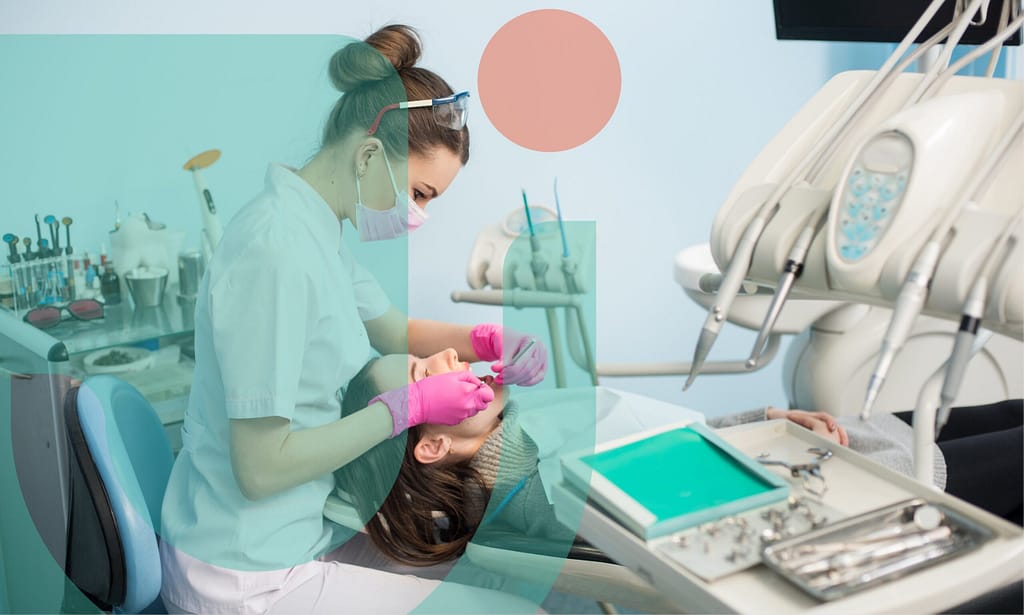
Dental practices just hum along (in the best possible way) when hygiene schedules are consistently full. But when your recall system falls silent, the impact can ripple through your entire operation. Open slots, no‑shows, and patients slipping through the cracks don’t just wreak havoc on your daily flow; they undercut continuity of care, patient trust, and bottom‑line production.
A robust, proactive recall protocol can be the backbone of retention and revenue. In this article, we’ll share why letting your recall system collect dust isn’t just a scheduling misstep. It’s a missed opportunity to keep your practice alive and well.
Understand the Role of Recall in Practice Growth
In any business, repeat customers are the foundation of success. Whether you’re running a retail store or a dental practice, your goal is the same: get people to come back. In dentistry, this is where your recall system plays a major role.
A dental recall evaluation, commonly known as a routine checkup, is about so much more than checking a box. It’s absolutely fundamental to your practice’s growth. Hygiene visits are where preventive care happens, treatment needs are uncovered, and trust is built for long-term patient relationships.
When those appointments are consistently scheduled, your team stays productive and your patients stay engaged. But when your hygiene chairs sit empty, you’re missing out on production, retention, and potential new treatment opportunities.
Clean Up Your Recall List
So how do you fill up the schedule? It starts with cleaning up your recall list. An outdated or disorganized list can make it hard to know who to contact or even where to start. By taking the time to organize and update your recall system, you create a clear path to reconnecting with patients and filling those empty hygiene slots.
Here are a few ways to get started:
- Review your recall list weekly to identify overdue patients and inactive accounts
- Segment your list by priority—such as high-risk patients, recent no-shows, or those due soon
- Flag patients with outstanding treatment plans or health concerns
- Double-check contact information for accuracy before reaching out
- Assign specific follow-up responsibilities to team members to keep things moving
Use a Multi-Touch Reminder System
We all have different ways that we prefer to communicate. And it’s no different for your patients. Some might prefer a phone call, while others might be more likely to acknowledge a text or an email. But when you combine all three, it’s a great way to make sure you remain high on your patient’s radar. It’s not about overwhelming them. It’s about offering the right nudge at the right time, in the way that’s most convenient for them.
- Combine texts, emails, and phone calls for better follow-through
- Space out your messages to avoid feeling spammy
- Personalize messages when possible to increase engagement
- Use patient names and reference upcoming procedures or past visits
- Make it easy to respond—include links, call-back numbers, or scheduling options
Train Your Team to Book With Intention
It can be so easy to simply wave goodbye and offer a smile when a patient leaves after their dental cleaning. But that really isn’t the best way to get a patient to come back. Every hygiene visit should end with clear next steps, and that starts with scheduling their next appointment before they walk out the door. Prescheduling creates a sense of commitment and makes it less likely that patients will forget or delay their care.
Encourage your team to go beyond, “Would you like to schedule now?” Instead, coach them to say things like, “Let’s get you set up now so you don’t lose your preferred time.” Small shifts in language can make a big difference. When your team confidently communicates the value of regular care, patients are more likely to follow through.
Make Recall a Daily Habit, Not a Monthly Project
The last thing you want is to leave those reminders and follow-ups to become a monthly burden. When recall becomes part of your daily rhythm, it’s easier to stay on top of overdue patients, cancellations, and last-minute openings. Assign a dedicated team member to work the recall list every day; even just 30 minutes can make a difference.
Track progress weekly and celebrate wins as a team. Did someone rebook a long-lost patient? That’s a win worth acknowledging.
Daily recall efforts support hygiene optimization by keeping your schedule organized and your hygiene chair full. Consistency is what evolves recall from a task into a powerful driver of patient retention and practice growth.
Keep the Hygiene Schedule Full With Daily Momentum
Remember, an active recall system fuels your entire practice. With guidance from a dental business coach or the support of dental practice consulting, you can turn your recall process into a reliable engine for growth. When your team stays consistent with outreach, pre-scheduling, and reminders, patients stay engaged, and production stays steady.
At Jameson Coaching, we help dental teams build systems that work. Keep your recall system moving, and your hygiene schedule—and practice—will stay strong.
